
Choosing between a heat pump and a traditional HVAC system is a common question for homeowners in Canterbury, CT—especially when it’s time to upgrade or replace an existing system. While both options can heat and cool your home, they operate differently and come with their own advantages depending on your home, energy costs, and long-term goals.
Understanding how each system works can help you make a smarter, more cost-effective decision.
What’s the Difference Between a Heat Pump and HVAC?
The term “HVAC” can be confusing. It refers to the entire heating and cooling system in your home—not a single unit. In many homes, a traditional HVAC setup includes a gas boiler or furnace for heating and a separate air conditioning system for cooling.
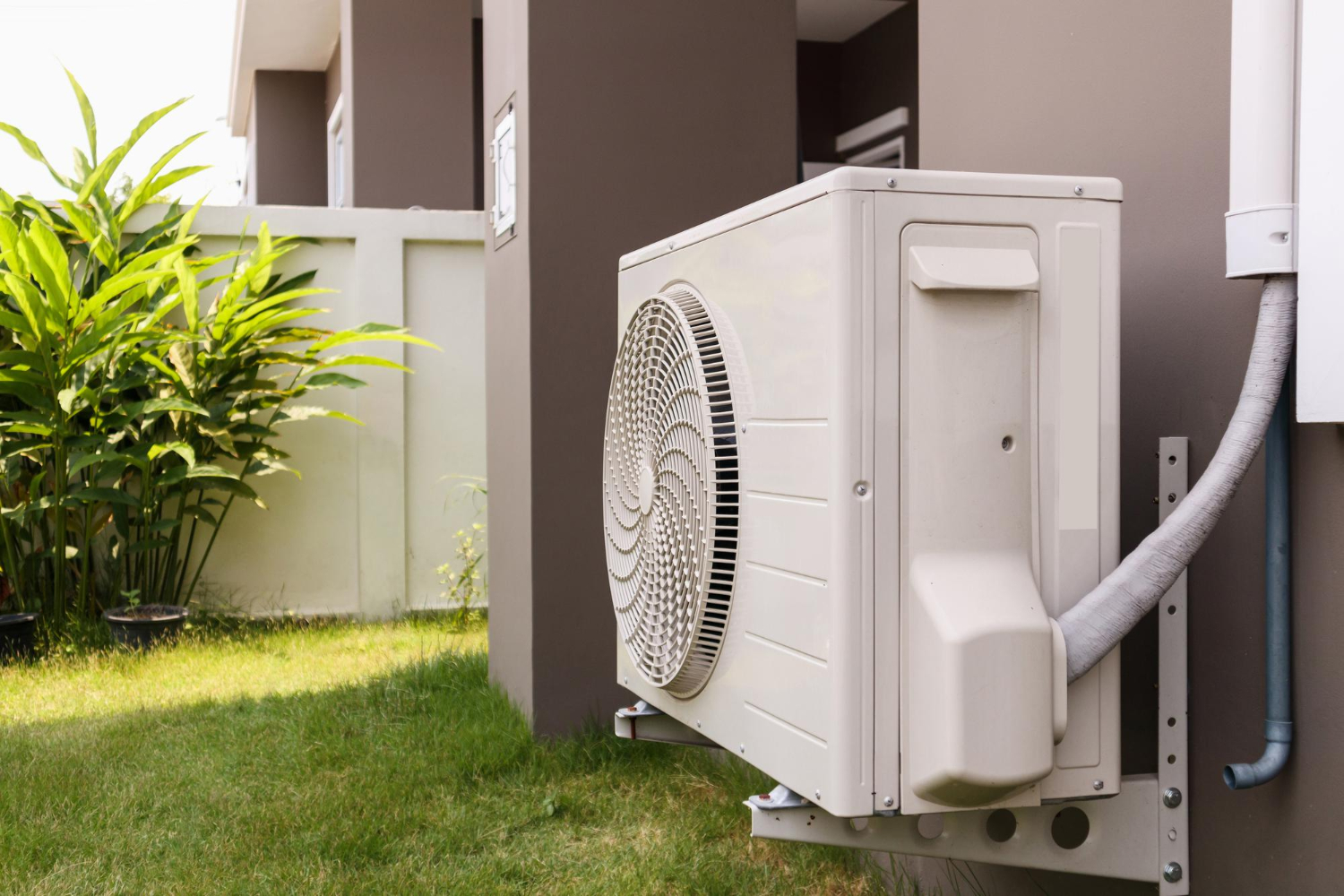
A heat pump, on the other hand, is a type of HVAC system that handles both heating and cooling in one unit. Instead of generating heat, it transfers it—pulling warmth from outside air in winter and reversing the process in summer.
How Heat Pumps Work (And Why They’re Efficient)
Heat pumps don’t burn fuel. They move heat from one place to another, which makes them highly efficient compared to traditional systems. In many cases, they can deliver 2–4 times more heat energy than the electricity they consume, depending on conditions.
This efficiency can translate into lower energy use, especially in moderate climates. However, performance can vary during colder Connecticut winters, where some systems may rely on backup heating during extreme temperatures.
Traditional HVAC Systems: Reliable and Proven
Traditional systems—like boilers paired with central AC—remain a dependable option for many homes in Canterbury, CT. Boilers generate heat directly (usually using gas), providing consistent performance even during very cold weather.
These systems are especially effective in homes that already have radiators or baseboard heating, and they tend to perform well in colder climates where steady, high-output heat is needed.
Cost and Long-Term Considerations
One of the biggest differences between heat pumps and traditional HVAC systems comes down to cost and efficiency over time.
- Heat pumps typically have higher upfront installation costs but can reduce energy consumption due to their efficiency
- Traditional HVAC systems often cost less upfront but may lead to higher long-term fuel expenses
Heat pumps can also simplify your system by combining heating and cooling into one unit, while traditional setups require separate components.
Which System Is Better for Homes in Canterbury, CT?
There’s no one-size-fits-all answer. The right system depends on your home and priorities.
A heat pump may be a good fit if you:
- Want an energy-efficient, all-in-one system
- Are looking to reduce reliance on fossil fuels
- Have a well-insulated home
A traditional HVAC system may be better if you:
- Need strong, reliable heating during cold winters
- Already have a boiler or radiator system in place
- Prefer a lower upfront investment
Some homeowners choose a hybrid system, combining a heat pump with a backup furnace or boiler for added flexibility.
Final Thoughts
For homeowners in Canterbury, CT, both heat pumps and traditional HVAC systems offer solid benefits. The key is choosing a system that fits your home’s structure, your comfort expectations, and your long-term budget.
If you’re considering an upgrade, a professional evaluation can help you compare options based on your specific setup. The right decision isn’t just about equipment—it’s about how well your system performs year after year.